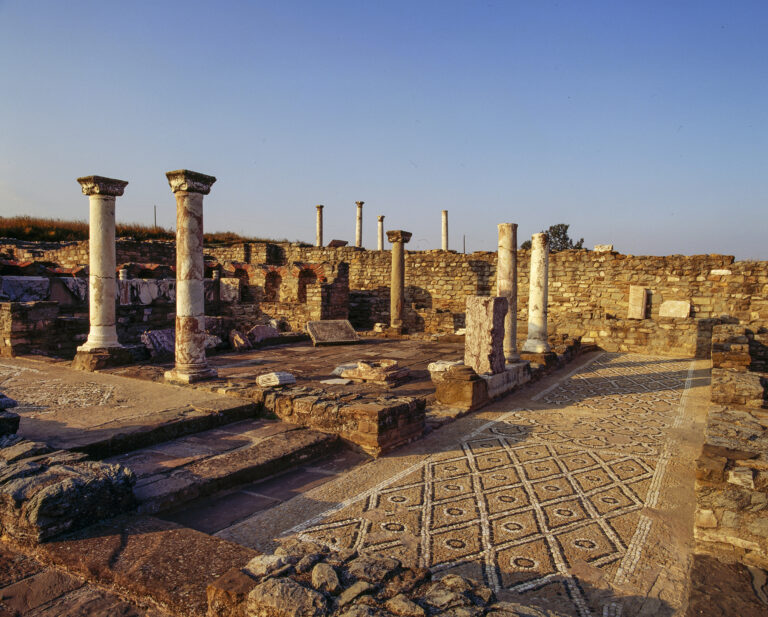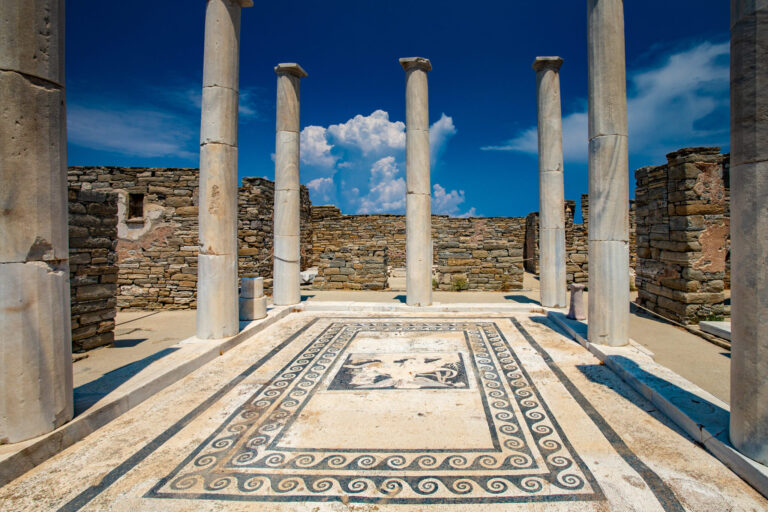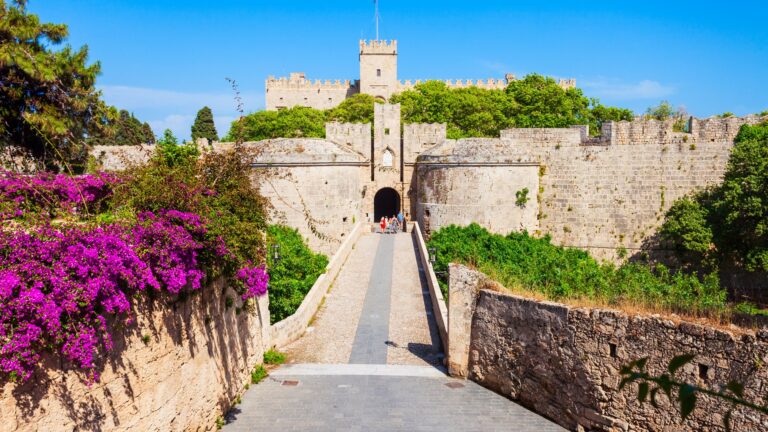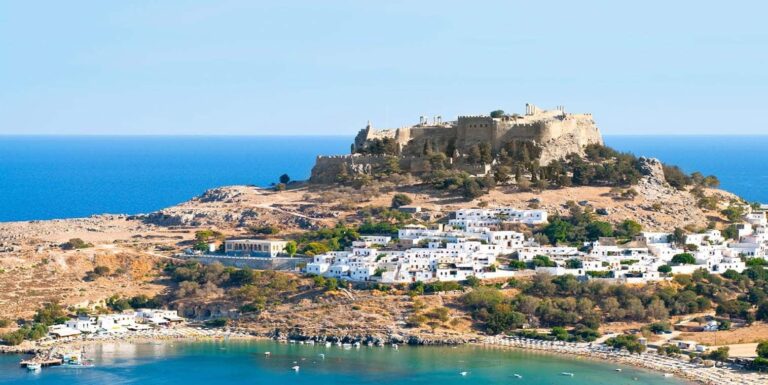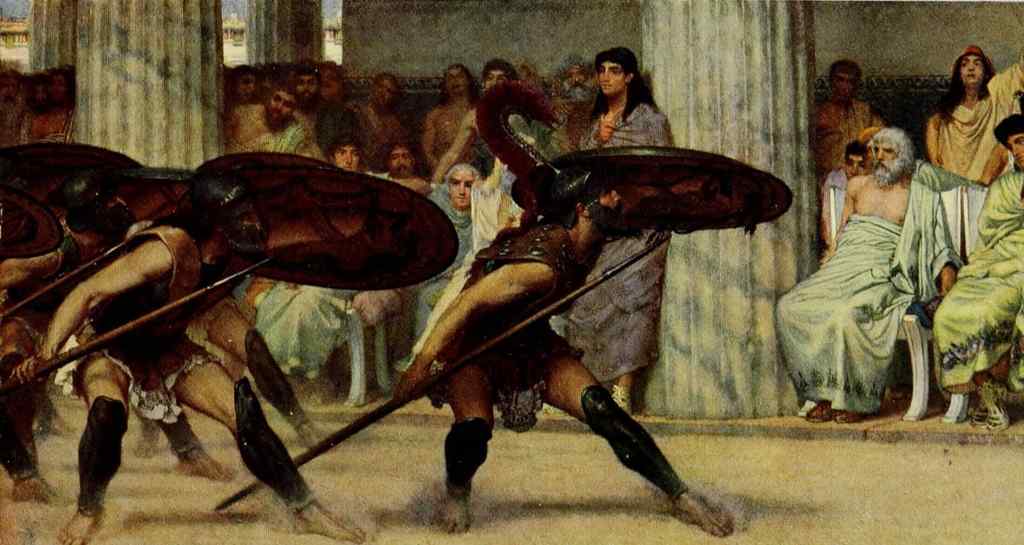
The Dorians were a major division of the ancient Greek people, distinguished by a well-marked dialect and by their subdivision, within all their communities, into the “tribes” (phylai) of Hylleis, Pamphyloi, and Dymanes. These three tribes were apparently quite separate in origin from the four tribes found among the Ionian Greeks. The Dorian people are traditionally acknowledged as the conquerors of the Peloponnese (in the period 1100-1000 Bc).
In Greek tradition, the Dorians were thought to have gained their name from Doris, a small district in central Greece. According to this tradition, the sons of Heracles, the Heraclidae, were driven from their homeland in the Peloponnese by Eurystheus of Mycenae. The Heraclidae took refuge with Aegimius, the king of Doris. Several generations later, the Heraclid brothers Temenus, Aristodemus, and Cresphontes led the “Dorians” back in a successful invasion of the Peloponnese and thus recovered their heritage.
In actual fact, the origins of the Dorians are necessarily obscure, but it appears they originated in northern and northwestern Greece, i.e., Macedonia and Epirus. From there they apparently swept southward into central Greece and then into the southern Aegean area in successive migrations beginning about 1100 BC, at the end of the Bronze Age. The invading Dorians had a relatively low cultural level, and their only major technological innovation was the iron slashing sword. The Dorians swept away the last of the declining Mycenaean and Minoan civilizations of southern Greece and plunged the region into a dark age out of which the Greek city-states began to emerge almost three centuries later.
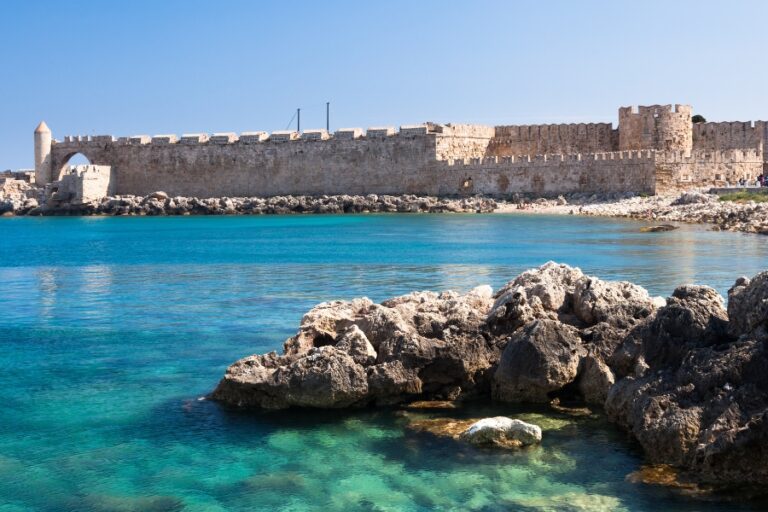
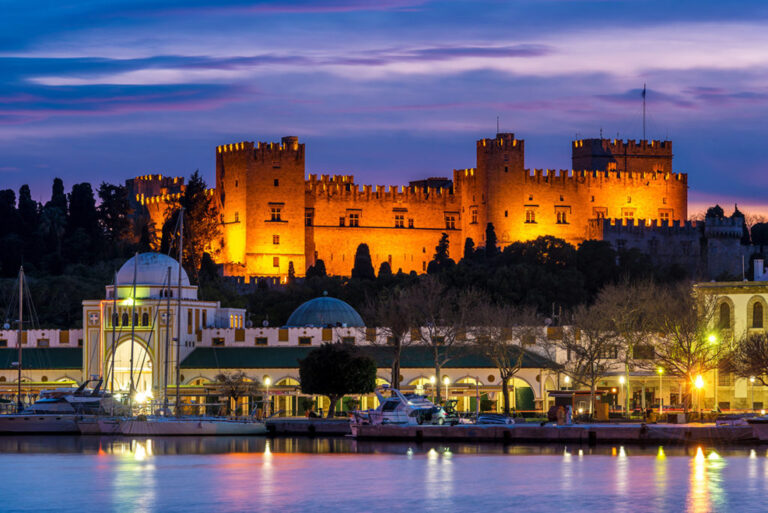
The migrating Dorians settled chiefly in the southern and eastern Peloponnese, establishing strong centers in Laconia (and its capital, Sparta), Messenia, Argolνs, and the region of the Isthmus of Corinth. They also settled the southern Aegean islands of Melos, Thera, Rhodes, and Cos, along with the island of Crete. In fact, the Dorians reached as far east as the cities of Halicarnassus and Cnidus on the coast of mainland Anatolia (now southwestern Turkey). A great wave of renewed colonization beginning in the 8th century BC brought Dorian settlers to the island of Corcyra (modern Corfu), to Syracuse, Gela, and Acragas (now Agrigento) in Sicily, to Taras (now Taranto) in Italy, and to Cyrene in North Africa, as well as to scattered sites in the Crimea and along the Black Sea. Sparta, Corinth, and Argos were among the most important cities of Doric origin.
Doric was one of the major dialects of the classical Greek language, along with the Ionic-Attic, Aioli, and Arcado-Cypriot dialect groups. But because the Ionic-Attic dialect of Athens dominated Greek culture from the 5th century BC, very little remains of ancient writings in pure Doric dialect.
The Dorian peoples had a seminal influence on the later development of Greek art. Indeed, the crowning achievements of Greek art and architecture from the 5th century BC arose from the combination of the art of the Doric peoples (with its restraint, power, and monumentality) and that of the Ionian peoples (with its grace, elegance, and ornateness). The massive and simple Doric order of architecture earned its name from its origin in the Doric-populated cities of the southern Aegean. The choral lyrics in Greek tragedy were also a Doric invention. Politically, the Dorian centers took two different courses of development. In Corinth, Rhodes, Argos, and various other mercantile-oriented city-states, the Dorian invaders, though at first reserving political power unto themselves, eventually merged with the conquered indigenous peoples of their regions. In Sparta and the island of Crete, by contrast, the Dorians kept power to themselves and constituted themselves into a ruling military class. These militarized Dorian aristocracies deliberately “froze” an archaic form of society (and sacrificed most of their cultural and artistic promise in the process) in order to maintain dominance over a larger population of serfs.